Choosing Between Natural and Synthetic Rattan for Lighting: A Comprehensive Guide
This article compares natural and synthetic rattan in the context of lighting, outlining the benefits and drawbacks of each. It covers aspects such as durability, aesthetics, maintenance, and environmental impact, giving practical advice for homeowners and designers looking to incorporate rattan lighting into their spaces.
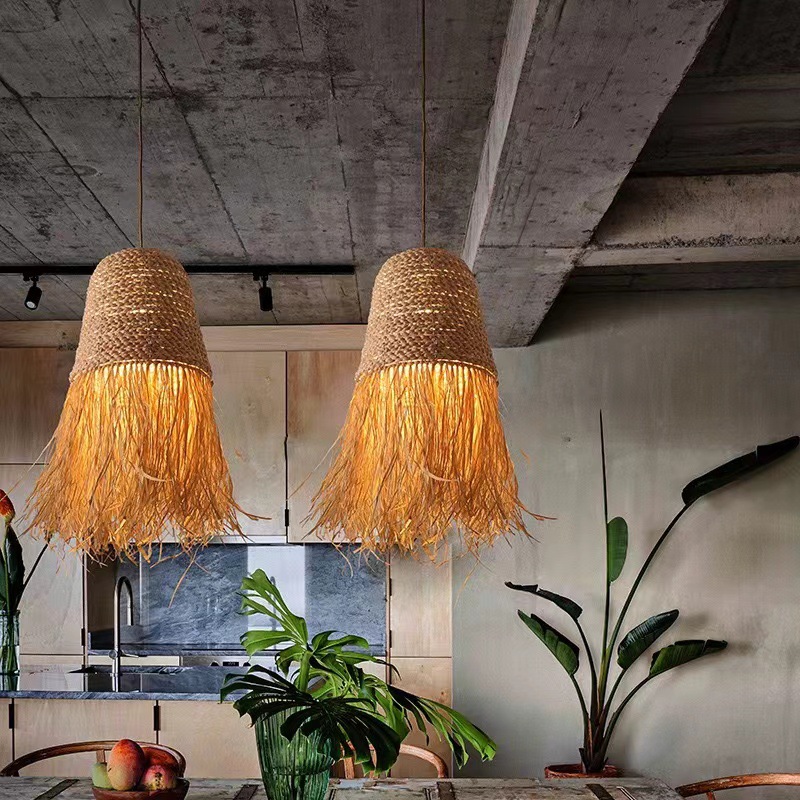
Choosing Between Natural and Synthetic Rattan for Lighting: A Comprehensive Guide
When it comes to interior lighting, rattan has gained immense popularity for its warm, organic charm and versatility. If you’re considering rattan for your woven rattan pendant light or ceiling lamp, the first question is: should you choose natural or synthetic rattan? Both options offer unique advantages and are suited for different needs and aesthetics. Here’s a comprehensive breakdown to help you make the right choice for your home or project.
Understanding Rattan Materials
Natural rattan is derived from climbing palm plants, mainly found in Southeast Asia. It is favored for its sustainability, tactile texture, and unique look. A handwoven bamboo ceiling lamp or natural wicker hanging light made from real rattan can instantly create an inviting, earthy ambiance in any room.
Synthetic rattan is typically made from polyethylene or other resins, engineered to mimic the appearance of real rattan. It is often used for outdoor furniture and lighting fixtures because of its durability and resistance to moisture and UV rays. Synthetic rattan is ideal for a boho rattan ceiling light in outdoor lounges or humid areas.
Comparing Durability and Maintenance
Natural rattan: Known for its strength, but can be sensitive to excessive moisture and direct sunlight. Regular dusting and occasional conditioning keep a light wood tone pendant lamp or handmade wicker light fixture looking its best.
Synthetic rattan: Much more resistant to weather and wear. A Scandinavian rattan lighting fixture or Japandi style hanging lamp crafted from synthetic fibers will maintain its appearance with minimal upkeep, making it great for bathrooms or patios.
Style and Versatility
Natural rattan: Offers organic shapes, unique color variations, and a tactile experience. Onion shape woven pendants, rustic rattan dome lights, and coastal style ceiling lamps exude a one-of-a-kind, handcrafted appeal.
Synthetic rattan: Available in more uniform colors and patterns. It’s easier to achieve textured natural fiber lighting or a handcrafted bamboo pendant with specific design requirements.
Environmental Impact
Natural rattan is considered more eco-friendly if sourced responsibly. It is biodegradable and often harvested sustainably. Eco-conscious buyers might prefer a bohemian chic hanging light or curved woven pendant shade made from certified natural materials. Synthetic rattan, on the other hand, is long-lasting and reduces the need for frequent replacements, but is not biodegradable.
The Final Verdict
Choose natural rattan if you value authenticity, handcrafted aesthetics, and environmental responsibility for your lighting—perfect for a soft glow rattan lamp or nature-inspired pendant light in living spaces.
Opt for synthetic rattan if you need maximum durability, consistent style, and minimal maintenance, especially in high-humidity or outdoor environments—a minimalist woven ceiling fixture or artistic rattan pendant shade could be a great fit.
READ MORE


_lutHu5.png)

