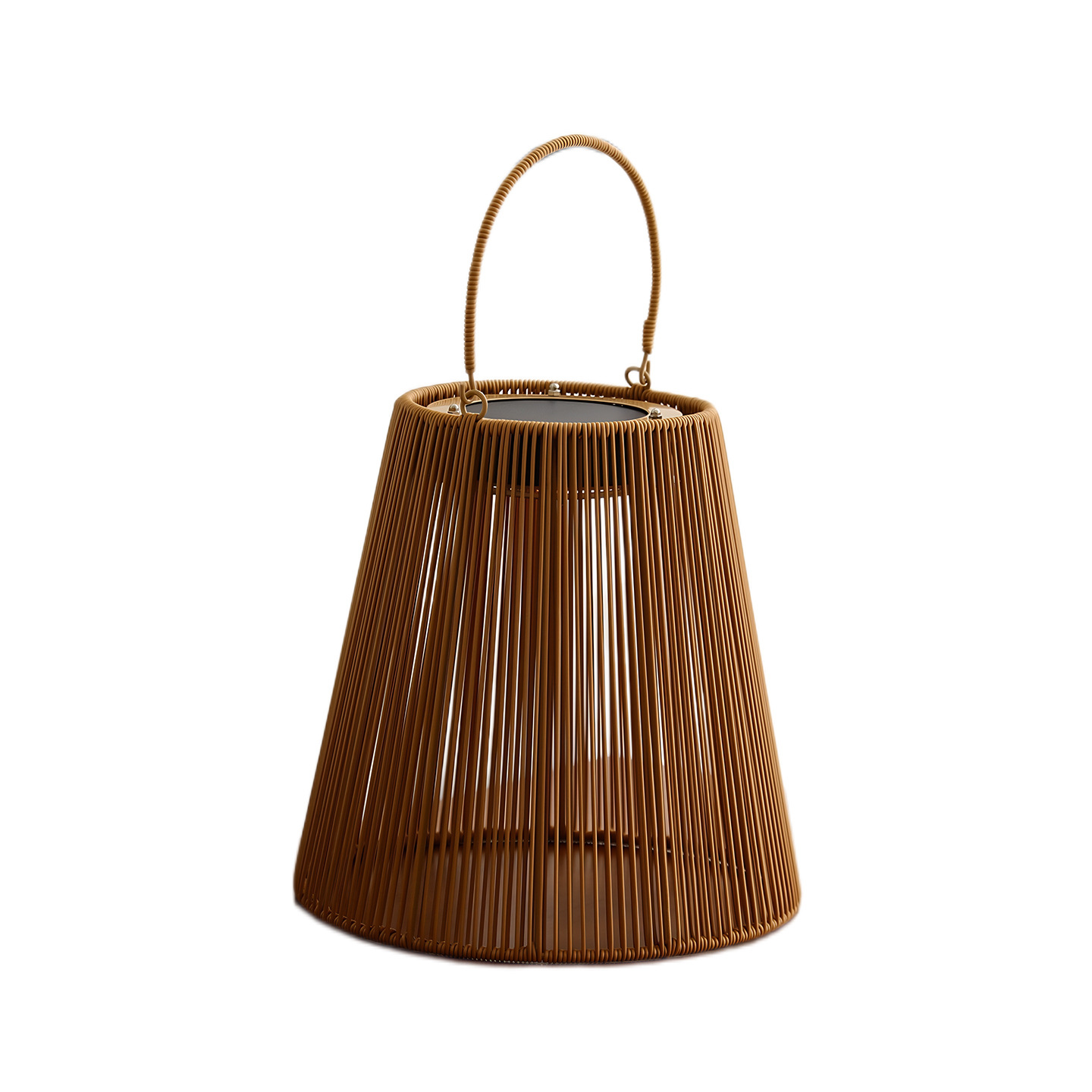
Woven pendant lights offer a unique combination of aesthetics and functionality, making them a perfect addition to both residential and commercial interiors. This guide helps you choose the ideal woven pendant light that balances style, lighting needs, and eco-friendliness.
1. Why Choose Woven Pendant Lights?
Woven pendant lights are a versatile lighting option, blending traditional craftsmanship with modern style. Whether you’re designing a cozy living room, an elegant dining area, or a commercial space like a café, these lights add warmth, texture, and style.
2. The Role of Pendant Lighting in Home Decor
In homes, pendant lights play a vital role in creating mood and ambiance. A Scandinavian rattan pendant light or a boho ceiling light can complement minimalist or artistic spaces. For dining areas, handwoven rattan pendant lights provide functional and elegant lighting.
3. Woven Pendant Lights for Commercial Spaces
Commercial spaces such as restaurants and cafés benefit from the warm and welcoming atmosphere created by woven pendant lighting. Eco-friendly options like an Artisan eco-friendly Handmade Boho restaurant woven natural rattan bamboo light are both sustainable and stylish, making them perfect for eco-conscious businesses.
4. Sustainability in Lighting
As more consumers embrace sustainability, woven pendant lights made from natural materials like rattan and bamboo are becoming popular. These eco-friendly lighting options reduce the carbon footprint while enhancing the aesthetic value of any room.
5. Durability and Maintenance of Woven Pendant Lights
Woven pendant lights are durable and long-lasting, making them ideal for both residential and commercial use. Their natural materials such as bamboo, rattan, and wicker are strong and resilient, ensuring your investment will last for years to come.
READ MORE
Complete Woven Pendant Light Buying Guide: Final Tips for Smart Lighting Choices
Strategic Woven Pendant Light Buying Guide: Design Balance and Smart Choices
Expert Guide to Woven Pendant Lights: Styling, Layers, and Material Selection


_lutHu5.png)

