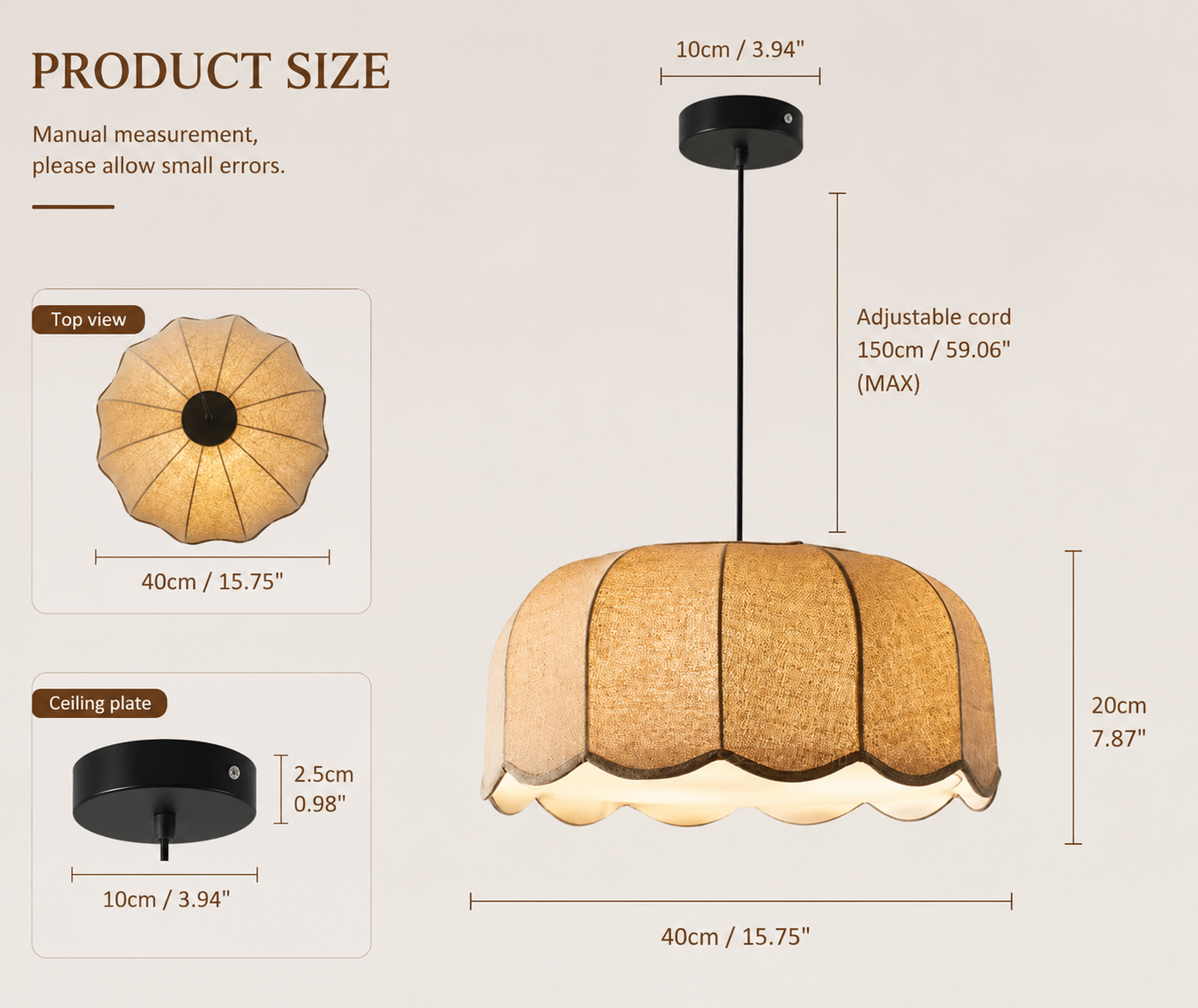
Natural Cane Hanging Fixture: How to Use Light, Linear Weaving for Warm and Airy Interiors
A Natural Cane Hanging Fixture is an effective way to introduce handcrafted texture without making an interior feel visually heavy. Cane has a lighter, more linear appearance than many dense woven materials, allowing designers to create pendant lamps that feel open, airy, and architectural.
This makes cane particularly useful in dining rooms, bedrooms, cafés, restaurants, hotel lounges, resort interiors, reading corners, and organic-modern spaces. When combined with Handmade Natural Fiber Lighting, cane can soften hard architectural lines while allowing light and shadow to remain an active part of the room.
1. Understand the Visual Character of Cane
Use slender fibers to create a lighter silhouette
Cane can be woven into fine vertical, diagonal, or geometric patterns. These thinner lines help the shade maintain a strong shape without looking bulky.
Compared with a Large Rattan Pendant Light Fixture, a cane pendant of similar dimensions may appear lighter because more visual space remains between the woven strands.
This makes cane especially useful where the fixture needs noticeable scale but should not dominate the ceiling.
Let the structure remain visible
One of the most attractive qualities of cane lighting is the relationship between the outer weave and the internal frame.
Instead of hiding the structure, designers can allow hoops, ribs, and vertical supports to become part of the decorative language. A Decorative Woven Light Shade with a clearly defined frame can create a handcrafted architectural effect during both daytime and evening use.
Create contrast with heavier furniture
Cane lighting works particularly well above solid timber tables, stone counters, upholstered seating, and dark cabinetry.
The lighter woven structure prevents heavier materials from making the room feel too dense.
2. Choose the Weave Pattern According to Light Distribution
Vertical weaving creates cleaner lines
Vertical cane strands emphasize height and can make a fixture appear taller and more refined.
This is useful in narrow rooms, bedside spaces, entrance areas, and hotel corridors where horizontal volume needs to remain controlled.
A Premium Natural Fiber Pendant with a vertical weave can introduce craftsmanship while maintaining a relatively minimal appearance.
Diagonal weaving creates movement
Crossed or diagonal cane patterns create stronger visual texture.
When illuminated, the overlapping fibers can cast more complex shadows onto walls and ceilings. This makes the fixture especially suitable for a relaxed Boho Chic Hanging Light Fixture concept.
For restaurants and cafés, an Artisan eco-friendly Handmade Boho restaurant woven natural rattan bamboo light can use this type of woven rhythm to create a more recognizable evening atmosphere.
Tight weaving creates softer light
More compact cane weaving limits glare and makes the bulb less visually dominant.
A Sustainable Wicker Pendant Shade can provide a similar controlled effect when the project requires denser woven texture.
In bedrooms or quiet hospitality areas, this approach can create calmer illumination than a completely open shade.
3. Use Cane Lighting in Coastal and Resort Interiors
Pair cane with pale natural materials
Cane naturally complements limestone, light oak, linen, plaster, bamboo, seagrass, and soft neutral fabrics.
Luxury Coastal Rattan Lighting can be combined with finer cane fixtures to create a layered lighting family across villas, resorts, beach houses, and boutique hotels.
A Luxury Coastal Ceiling Fixture may use more refined proportions and finishing, while cane pendants can provide lighter accents in secondary spaces.
Use cane beside the bed
A compact hanging fixture can replace a traditional table lamp and free up nightstand space.
Coastal Bedroom Pendant Lighting works particularly well when the shade uses an open cane structure that feels relaxed and visually light.
The pendant can be suspended beside the bed, above a reading chair, or near a small dressing table.
Create resort-style dining areas
Cane pendants can give restaurant and resort dining areas a natural visual identity without requiring excessive themed decoration.
Warm timber, soft upholstery, neutral walls, and simple table settings allow the woven fixture to become the primary decorative texture.
4. Bring Cane Into Organic-Modern and Contemporary Spaces
Soften minimalist architecture
Clean interiors often need one or two tactile materials to avoid feeling too sterile.
Organic Modern Ceiling Lighting can use cane as a counterpoint to stone, microcement, plaster, oak, and curved furniture.
Because cane is visually linear, it can introduce craftsmanship while still supporting a minimalist composition.
Use one fixture as a sculptural focal point
A large cane pendant can work as a central object above a dining table or lounge area.
An Oversized Basket Pendant Light offers stronger volume, while a cane version can create a similar architectural presence with more transparency.
This is useful in open-plan interiors where the fixture needs to define a zone without creating a heavy visual barrier.
Coordinate with energy-efficient lighting
An Eco-Conscious Home Lighting scheme can pair woven cane shades with efficient LED sources and dimming controls.
The natural shade contributes visual warmth while the lighting system provides practical energy management and adjustable ambience.
5. Apply Cane Fixtures to Restaurants and Cafés
Create repetition above dining tables
Repeated cane pendants can create rhythm across a restaurant ceiling.
A series of identical fixtures provides visual consistency, while variations in height can make the installation feel more dynamic.
A Warm Glow Rattan Pendant Lamp can be mixed with cane fixtures in selected areas where a slightly richer texture is required.
Define seating zones without partitions
Lighting can visually separate tables even when the dining floor remains completely open.
A pendant above each table creates an individual ceiling zone, helping guests feel a stronger sense of place.
An Eco-Friendly Decorative Pendant Lamp with an open cane construction can achieve this while preserving an airy atmosphere.
Support brand identity
Restaurants increasingly use lighting as part of the interior identity.
A distinctive woven form can become visually associated with the venue and help create memorable photographs without relying on excessive wall decoration.
An Artisan Crafted Rattan Chandelier can serve as a focal fixture in a reception or communal dining zone, while smaller cane pendants repeat the natural-material language throughout the restaurant.
6. Combine Cane With Other Woven Materials
Cane and rattan
Rattan can form stronger curves and more sculptural frames, while cane can provide finer woven surfaces.
Natural Rattan Chandelier Lighting can therefore work alongside cane pendants when a project requires both statement fixtures and lighter secondary lighting.
Cane and wicker
Wicker often produces a denser, more textural surface.
A Handwoven Wicker Ceiling Pendant can be used in areas where a stronger handmade appearance is desired, while cane fixtures can occupy spaces that need more transparency.
Cane and bamboo
Bamboo provides firmer structural lines and can create more architectural silhouettes.
A Farmhouse Rattan Ceiling Lamp, bamboo pendant, and cane shade can all belong to the same natural-material palette while serving different visual roles.
7. Consider Scale, Height, and Furniture Relationships
Match fixture width to furniture below
The pendant should feel connected to the furniture rather than floating independently.
Above a dining table, the fixture can be wider and lower. In a reading corner or bedside setting, a smaller shade usually creates better balance.
Keep sightlines clear
Open cane shades may look visually light, but their physical dimensions still matter.
In restaurants and dining rooms, the bottom edge should remain high enough for comfortable conversation across the table.
Use several small fixtures in large spaces
A group of smaller cane pendants can sometimes create more flexibility than one oversized piece.
Clusters work particularly well in stairwells, hotel lobbies, reception areas, double-height corners, and long dining tables.
8. Develop Customized Cane Lighting for Commercial Projects
Adapt the frame and dimensions
Commercial spaces rarely have identical ceiling conditions.
A Custom Rattan Lamp Manufacturer can adjust diameter, height, internal frame geometry, suspension length, canopy size, weave pattern, finish, and electrical specifications.
This is valuable for restaurants, resorts, hotel groups, lighting wholesalers, importers, and interior design studios.
Maintain consistent quality across larger quantities
Handwoven products naturally contain minor variations, but commercial projects still require consistency in size, proportion, frame construction, and electrical components.
Clear production standards can preserve handmade character while ensuring that multiple fixtures look coordinated when installed together.
Create multiple sizes from one design language
A single cane lighting concept can be developed into bedside pendants, dining fixtures, lobby lights, and larger statement pieces.
This allows project designers to create continuity without repeating the same exact fixture in every room.
9. Evaluate Durability and Long-Term Appearance
Check the internal frame
The frame determines whether the woven shape remains balanced over time.
Buyers should examine joints, support rings, suspension points, edge finishing, and the relationship between the frame and woven fibers.
Consider cleaning requirements
Open cane structures are generally easier to visually inspect than extremely dense weaving, but dust can still accumulate along horizontal strands.
Commercial venues should consider cleaning access during installation planning.
Balance sustainability with product life
Natural materials are only one part of responsible lighting selection.
A durable frame, replaceable electrical components, efficient light source, and appropriate packaging can help extend product life and reduce unnecessary replacement.
10. Create a Light and Relaxed Interior Identity
The strength of a natural cane pendant lies in its visual balance. It can be large without appearing heavy, handcrafted without feeling overly rustic, and decorative without overwhelming surrounding furniture.
Whether used in a coastal villa, modern dining room, boutique hotel, restaurant, café, bedroom, or resort lounge, cane lighting offers a flexible bridge between traditional weaving and contemporary interiors.
By coordinating fiber spacing, fixture shape, scale, suspension height, light output, and furniture placement, designers can create spaces that feel warmer and more distinctive while retaining an open, airy character.
The next article will focus on another highly recognizable woven silhouette: Bamboo Bell Pendant Lamp.
40 SEO Keywords / Tags
Woven Bamboo Corner Pendant Lighting; Bamboo Basket Ceiling Lamp; Natural Cane Hanging Fixture; Woven Fiber Dining Pendant; Rattan Dome Ceiling Light; Bamboo Bell Pendant Lamp; Wicker Globe Hanging Lamp; Cane Basket Chandelier; Natural Fiber Drum Pendant; Bamboo Hotel Lobby Light; Woven Restaurant Ceiling Lamp; Rattan Reading Corner Light; Bamboo Café Pendant Fixture; Handcrafted Cane Ceiling Shade; Wicker Entryway Pendant Lamp; Natural Basket Hanging Light; Custom Woven Lighting Design; Rattan Lamp OEM Production; Bamboo Lighting ODM Service; Hospitality Lighting Customization; Restaurant Pendant Light Sourcing; Hotel Decorative Lighting Supply; Bespoke Rattan Fixture Development; Natural Fiber Lamp Manufacturing; Bulk Woven Lighting Production; Project Lighting Specification Support; Custom Pendant Size Development; Private Label Rattan Lighting; Interior Design Studios; Hospitality Project Contractors; Boutique Hotel Developers; Restaurant Interior Designers; Café Owners and Operators; Lighting Wholesalers; Home Décor Importers; Furniture Retail Chains; Architectural Design Firms; Resort Purchasing Teams; Residential Property Developers; Commercial Lighting Distributors.
【READ MORE】Woven Fiber Dining Pendant: How to Choose the Right Size, Height, and Layout Above a Dining Table
Address
No. 3, Lane 6, Fushan, Tiebian Village, Henglan, Zhongshan City


CONTACT US
_lutHu5.png)


Call Us
13527147288
E-mail Us