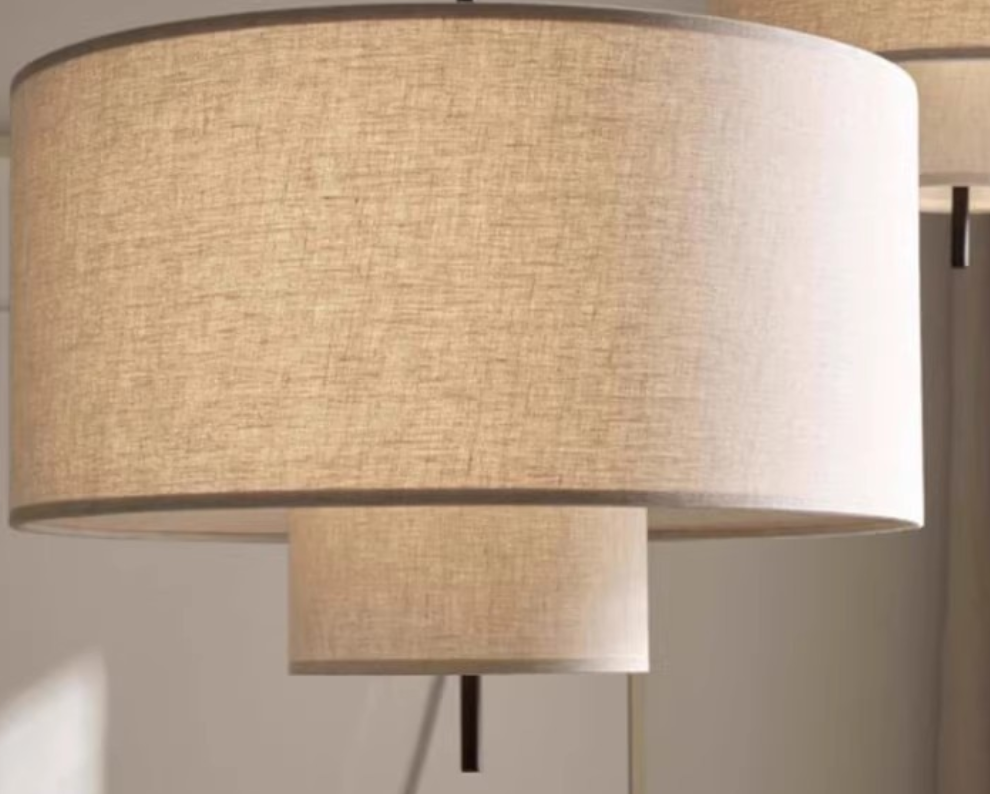
How Woven Patterns Change Light, Shadow, and Atmosphere
A woven pendant light is not simply a decorative shade surrounding a bulb. Every gap between the fibers becomes part of the lighting design.
When light passes through bamboo, rattan, wicker, or other natural woven materials, the structure controls where illumination travels, how shadows appear, and how strongly the fixture affects the surrounding room.
Two pendants made from the same material can create completely different moods simply because their weaving patterns are different.
A loosely woven basket may project dramatic lines across walls and ceilings, while a tightly woven shade can produce a quiet, concentrated glow. Understanding this relationship between material and illumination helps designers choose fixtures not only for their shape, but also for the atmosphere they create.
1. Open Weaving Creates Stronger Light and Shadow
More gaps allow more light to escape
Open weaving uses greater spacing between natural fibers. As a result, more light passes through the shade and reaches surrounding surfaces.
This can create striking patterns on walls, ceilings, floors, dining tables, entryway surfaces, and architectural columns.
The effect becomes especially noticeable in the evening when the pendant is the dominant source of illumination.
A Large Handwoven Rattan Pendant Light for Living Room with an open weave can create a wide decorative lighting effect across a seating area while still feeling visually lightweight.
Open patterns feel relaxed and expressive
Because the light is not completely contained, open woven fixtures often create a more informal atmosphere.
They work particularly well in coastal interiors, bohemian homes, tropical resorts, modern farmhouses, restaurants, cafés, and boutique hotels.
A Natural Wicker Hanging Lamp for Coastal Home Decor can use an open weave to project soft linear shadows while reinforcing the natural, breezy character of the space.
2. Dense Weaving Produces Softer, More Controlled Light
Tighter patterns reduce direct glare
Dense weaving limits the amount of direct light escaping through the sides of the shade.
Instead of producing dramatic shadows, the fixture tends to create a softer glow around the woven surface.
This makes dense patterns suitable for spaces where comfort and intimacy are more important than visual drama.
A Luxury Coastal Pendant Lighting for Bedroom can benefit from tighter woven construction because bedrooms usually require calm, comfortable illumination rather than intense decorative shadow.
Dense weaving emphasizes the material itself
When the weaving is tight, people notice the color, texture, and craftsmanship of the natural material more clearly.
An Artisan Woven Rattan Lamp Shade for Interior Design can therefore become a tactile decorative object during both daytime and nighttime.
When illuminated, the fibers appear warmer and more dimensional, creating a handcrafted appearance that mass-produced metal or plastic shades rarely achieve.
3. Geometric Patterns Make Shadows Part of the Interior Design
Repeated shapes create visual rhythm
Diamond, triangular, vertical, horizontal, and lattice-style weaving can create recognizable shadow patterns.
When projected onto nearby surfaces, these shapes become temporary decorative elements.
A Modern Boho Rattan Chandelier for Dining Room can use repeated geometric weaving to create movement above a dining table while introducing a stronger design identity.
The light pattern may change depending on bulb position, bulb size, distance from the wall, ceiling height, weave spacing, and fixture diameter.
This means the same pendant can produce very different effects in different rooms.
Shadows can make simple walls more interesting
Plain walls often benefit from decorative light.
Instead of adding wallpaper, artwork, or architectural panels, a woven pendant can create changing patterns naturally.
During the day, the lamp functions as a sculptural object. At night, the projected shadows become an additional layer of decoration.
4. Oversized Weaving Creates a More Immersive Effect
Large fixtures influence a greater portion of the room.
An Oversized Basket Pendant Light for Modern Farmhouse can project light across a broad ceiling area, especially when the woven structure is open and the bulb is positioned near the center of the fixture.
This works well in high-ceiling living rooms, large dining spaces, stairwells, entrance halls, hotel lobbies, and restaurant lounges.
The larger the fixture, the more important the relationship between the weaving pattern and the surrounding architecture becomes.
An oversized pendant with very dense weaving may feel visually heavy, while the same size fixture with more open spacing can appear lighter and more breathable.
5. Natural Materials Change the Color of Light
Rattan adds golden warmth
Natural rattan often contains yellow, honey, tan, or brown tones.
When warm light passes through these fibers, the material can subtly influence the perceived color of the surrounding illumination.
This makes rattan particularly effective in interiors designed to feel comfortable, earthy, and welcoming.
Bamboo creates a lighter visual character
Bamboo can create a cleaner, brighter appearance, especially when used in thin strips or open structures.
An Artisan eco-friendly Handmade Boho restaurant woven natural rattan bamboo light can combine bamboo and rattan characteristics to create natural texture while maintaining an airy appearance in restaurants and hospitality spaces.
Natural fibers support organic interiors
A Sustainable Handcrafted Ceiling Light Fixture can complement interiors that feature timber, stone, linen, clay, jute, and other tactile materials.
Rather than introducing a visually unrelated lighting element, the woven fixture becomes part of the broader material story.
6. Different Rooms Need Different Shadow Effects
Living rooms benefit from layered illumination
Living rooms usually require more than one type of light.
A woven pendant can provide ambient illumination while floor lamps, wall lights, and table lamps provide additional layers.
In this setting, patterned shadows can create depth without becoming the only visual feature.
Dining rooms can use stronger decorative patterns
Dining areas are ideal for more expressive woven lighting because the pendant usually hangs over a fixed piece of furniture.
The fixture can therefore sit lower and create more visible patterns around the table.
Open-weave rattan chandeliers can transform dinner lighting into part of the overall experience.
Bedrooms require greater restraint
In sleeping spaces, very strong shadow patterns may become distracting.
Tighter weaving, warmer bulbs, and dimming controls can help create a more comfortable environment.
The objective is to preserve the handcrafted texture while reducing excessive contrast.
7. Woven Patterns Matter in Hospitality Projects
Lighting has a major influence on how guests perceive restaurants, hotels, resorts, and cafés.
Commercial Hospitality Lighting must balance appearance with practical requirements such as brightness, consistency, maintenance, installation, and quantity.
In a restaurant, open woven pendants can create dramatic ceiling patterns that become part of the dining experience.
In a resort lobby, large natural-fiber fixtures can create a relaxed sense of arrival.
In hotel bedrooms, tighter woven shades can provide quieter and more controlled illumination.
The weave therefore needs to match the function of each space rather than simply repeating the same fixture everywhere.
8. Custom Manufacturing Allows Greater Control
For professional projects, designers may want to adjust the weaving pattern instead of selecting only from existing products.
An experienced ODM Woven Lighting Manufacturer can help develop new forms, weave densities, frame structures, dimensions, and material combinations based on the project's design concept.
An OEM Rattan Pendant Supplier can reproduce established designs where the specifications are already defined.
When more flexibility is required, a Custom Handmade Lighting Factory can adjust elements such as weaving density, fiber thickness, rattan color, bamboo width, internal frame, diameter, height, cable length, ceiling canopy, and surface finish.
For distributors and larger projects, sourcing a Wholesale Rattan Light Fixture can also make it easier to maintain visual consistency across multiple installations.
9. Test the Lighting Effect Before Finalizing a Design
A woven fixture should ideally be evaluated with the actual bulb type intended for the project.
Different bulbs can dramatically change the result.
A small concentrated bulb may produce sharper shadows. A frosted bulb may soften them. A brighter bulb may make the weaving pattern much more visible. A dimmable lamp gives the user greater flexibility throughout the day.
Designers should therefore evaluate not only the fixture itself, but also the complete combination of shade, bulb, height, distance, and surrounding surfaces.
10. Match the Pattern to the Emotion You Want to Create
The most effective woven lighting begins with a simple question: How should this room feel?
For a relaxed coastal home, an open wicker pattern may create a light and informal atmosphere.
For a bedroom, tighter weaving may provide softer and more peaceful illumination.
For a restaurant, bold geometric shadows may strengthen the visual identity.
For a resort, oversized natural forms may create a memorable sense of craftsmanship and place.
Ultimately, weaving determines much more than appearance. It shapes the relationship between light and space.
The next step is understanding how multiple woven fixtures can work together rather than functioning as isolated objects. This becomes especially important in restaurants, hotels, and other large interiors where designers need to create rhythm, consistency, and atmosphere across an entire environment.
The next article will focus on: how to layer woven pendant lighting in restaurants and hospitality spaces.
SEO Keywords
ODM Woven Lighting Manufacturer; OEM Rattan Pendant Supplier; Custom Handmade Lighting Factory; Wholesale Rattan Light Fixture; Commercial Hospitality Lighting; Large Handwoven Rattan Pendant Light for Living Room; Natural Wicker Hanging Lamp for Coastal Home Decor; Modern Boho Rattan Chandelier for Dining Room; Sustainable Handcrafted Ceiling Light Fixture; Luxury Coastal Pendant Lighting for Bedroom; Artisan Woven Rattan Lamp Shade for Interior Design; Oversized Basket Pendant Light for Modern Farmhouse; Artisan eco-friendly Handmade Boho restaurant woven natural rattan bamboo light; Handwoven Bamboo Pendant Light; Natural Rattan Ceiling Lamp; Boho Wicker Pendant Lighting; Coastal Style Hanging Light; Bamboo Pendant Light Manufacturer; Rattan Lighting Wholesale Supplier; Custom Woven Pendant Lighting; Handmade Bamboo Lighting Factory; Hotel Lobby Rattan Pendant Light; Restaurant Decorative Woven Lighting; Resort Natural Fiber Lighting; Cafe Bamboo Pendant Lamp; Boutique Hotel Lighting Supplier; Interior Designer Rattan Lighting; Hospitality Project Lighting Manufacturer; Commercial Restaurant Pendant Lights; Eco Friendly Woven Ceiling Light; Natural Fiber Decorative Lighting; Custom Rattan Chandelier Manufacturer; Handmade Wicker Lamp Supplier; Large Basket Pendant Lighting; Bamboo Lighting for Interior Designers; Rattan Pendant Lights for Hotels; Woven Lighting for Restaurants; Coastal Home Lighting Supplier; Bohemian Pendant Light Manufacturer; Sustainable Bamboo Rattan Lighting.
Tag: Woven pendant light
READ MORE
How to Layer Woven Pendant Lighting in Restaurants and Hospitality Spaces
Address
No. 3, Lane 6, Fushan, Tiebian Village, Henglan, Zhongshan City


CONTACT US
_lutHu5.png)


Call Us
13527147288
E-mail Us