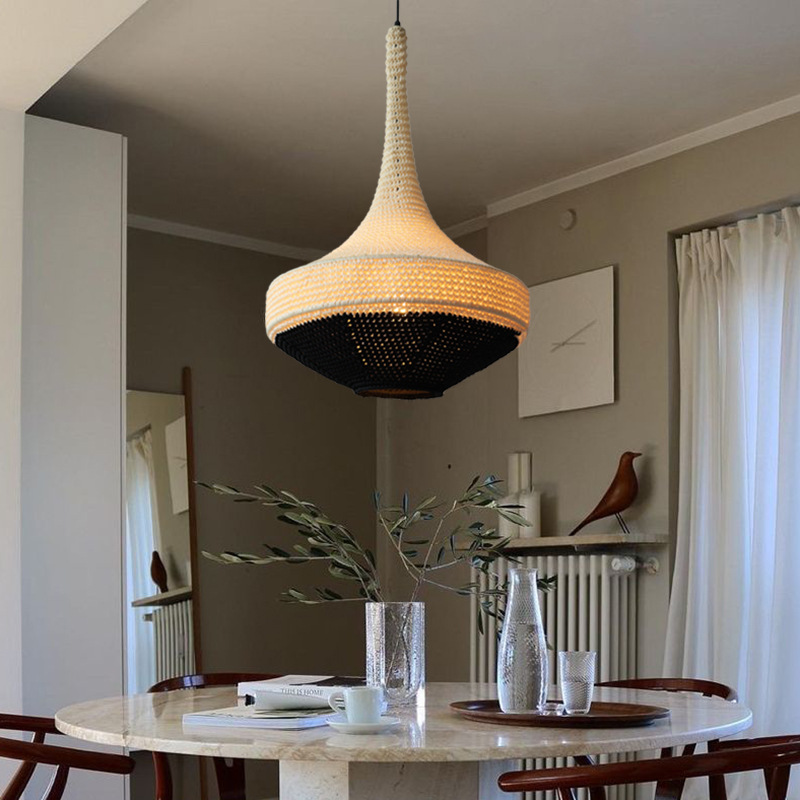
Choosing the right material for your lighting fixtures can dramatically affect the look and feel of any interior space. When it comes to woven lighting, the debate between natural and synthetic rattan is more relevant than ever. In this article, we will explore the differences between natural and synthetic rattan and help you decide which one is best for your next wicker lamp or bamboo rattan light.
1. Material Composition and Environmental Impact
Natural rattan is derived from climbing palm plants, making it an eco-friendly choice for those who prefer sustainability. Each handmade rattan lamp crafted from natural fibers is unique, bringing a touch of nature indoors. In contrast, synthetic rattan is typically made from plastic resin, designed to mimic the look of the real thing but with added durability and moisture resistance.
2. Aesthetic Differences
Handcraft rattan light made from natural materials often showcases subtle variations in color and texture, making each piece distinct. This is perfect for spaces such as an indoor restaurant lamp setup, where uniqueness and ambiance are crucial. Synthetic rattan, while more uniform, offers more color options and consistent finishes, which may appeal to those seeking a modern, flawless appearance.
3. Durability and Maintenance
Natural rattan, while beautiful, can be susceptible to moisture and sunlight, leading to potential cracking or fading over time. However, proper care can extend the life of your customize bamboo lamp or natural bamboo lamp significantly. Synthetic rattan is far more durable, weather-resistant, and ideal for both indoor and outdoor use. This makes wicker rattan light fixtures suitable for high-traffic areas or environments where cleaning and maintenance might be a concern.
4. Cost Considerations
Generally, natural rattan products are more expensive due to labor-intensive harvesting and handcrafting processes. Synthetic rattan, being mass-produced, is often more affordable and accessible, making it a practical option for large-scale projects or budget-conscious consumers.
5. Customization and Design Flexibility
Both natural and synthetic rattan can be woven into a variety of shapes and styles. However, synthetic materials can sometimes achieve more intricate designs that are harder to replicate with natural fibers. For those seeking a one-of-a-kind piece, commissioning a handcraft rattan light from an artisan ensures authenticity and artistry.



_lutHu5.png)

