The article guides readers in identifying sustainable rattan lighting, covering certifications, responsible sourcing, recycled materials, and ethical manufacturing practices.
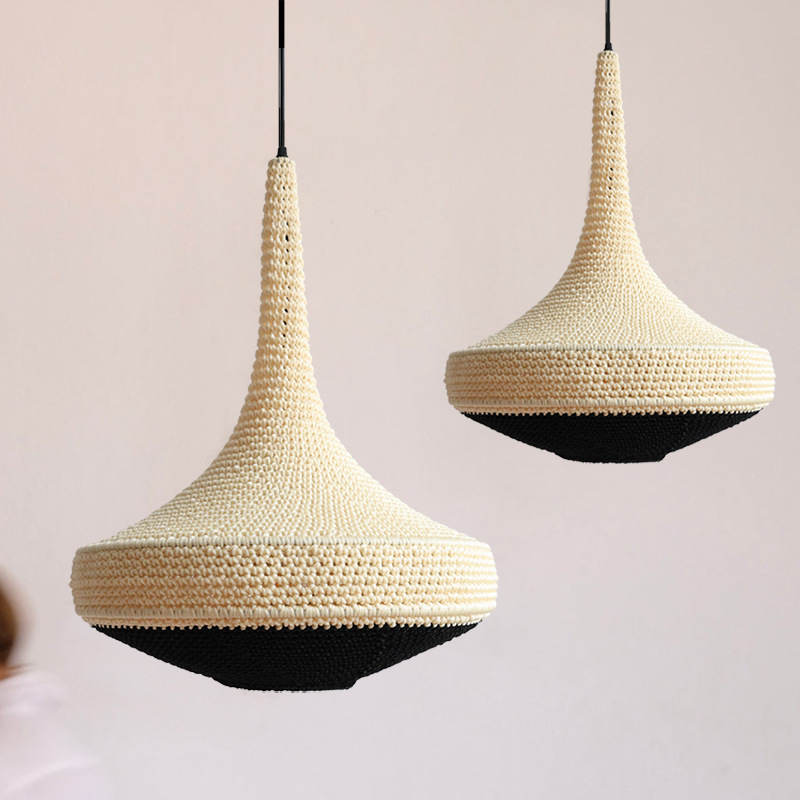
As eco-friendly choices become more important in lighting design, both businesses and homeowners are seeking out wicker lamp and bamboo rattan light options with proven sustainability. But what should you look for when buying a handmade rattan lamp or handcraft rattan light that truly meets environmental standards?
1. Sourcing Certifications
Look for certifications like FSC (Forest Stewardship Council) or PEFC (Programme for the Endorsement of Forest Certification) when choosing natural rattan products. These guarantee that the raw material for your natural bamboo lamp is responsibly harvested and managed.
2. Eco-Friendly Production
Check if manufacturers use non-toxic finishes, low-impact dyes, and minimal packaging. Leading brands highlight their commitment to sustainability with transparent supply chains and documented production processes for their customize bamboo lamp and indoor restaurant lamp ranges.
3. Recycled and Recyclable Materials
Synthetic rattan lighting can also be sustainable if it uses recycled plastics or is designed to be recyclable at the end of its life. Brands should provide details about the composition and end-of-life plan for your wicker rattan light.
4. Social Responsibility
True sustainability extends to fair labor practices and community support. Look for brands that offer information about ethical working conditions and give back to local communities involved in rattan cultivation or lamp production.
5. Third-Party Verifications
Seek out products with third-party certifications or independent verifications to ensure the authenticity of sustainability claims—this adds credibility and assurance to your purchase.


_lutHu5.png)

