The article highlights the differences in design flexibility between natural and synthetic rattan for lighting. It provides guidance on customization, functional considerations, and how to choose the right material for different environments.
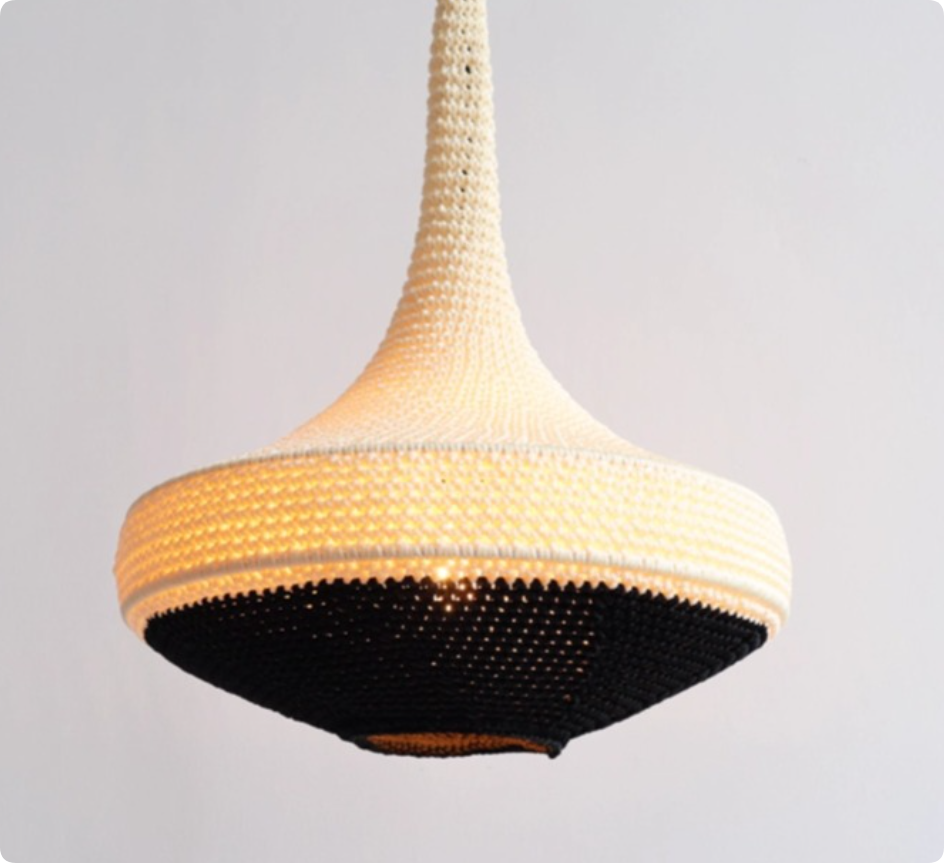
The ability to create diverse and stylish lighting fixtures is one of the biggest advantages of using rattan—whether natural or synthetic. When you are selecting a wicker lamp or planning a custom handmade rattan lamp installation, understanding the design flexibility of each material can help you make the right choice for your space.
1. Range of Styles and Shapes
Natural rattan offers a unique, organic texture and is favored for its authentic look. Artisans can weave it into various shapes for products like handcraft rattan light and bamboo rattan light. Each piece is often slightly different, providing a personal touch perfect for boutique hotels or creative home interiors.
Synthetic rattan, made from resin, excels at achieving uniformity and precision in complex designs. If you want modern, bold, or large-scale patterns for an indoor restaurant lamp project, synthetic rattan makes it easier to replicate the same look across multiple fixtures.
2. Customization Possibilities
The customization potential is vast with both materials. For instance, you can commission a customize bamboo lamp in either natural or synthetic rattan, adjusting everything from weave tightness to color. Natural rattan tends to support earthy, muted tones, while synthetic rattan is available in a wide range of colors and finishes—making it suitable for commercial settings where branding or theming is essential.
3. Functional Considerations
When choosing a natural bamboo lamp or wicker rattan light, think about not just the design but also the installation environment. Synthetic rattan’s strength allows for more experimental forms—such as oversized or geometric pendant lamps—without worrying about breakage. For delicate or intricate patterns that demand high repeatability, synthetic rattan is generally the go-to material.


_lutHu5.png)

