The article provides easy-to-follow maintenance tips for natural and synthetic rattan lighting, covering cleaning, placement, and protection from environmental factors. With these practices, your lighting fixtures will look their best for years to come.
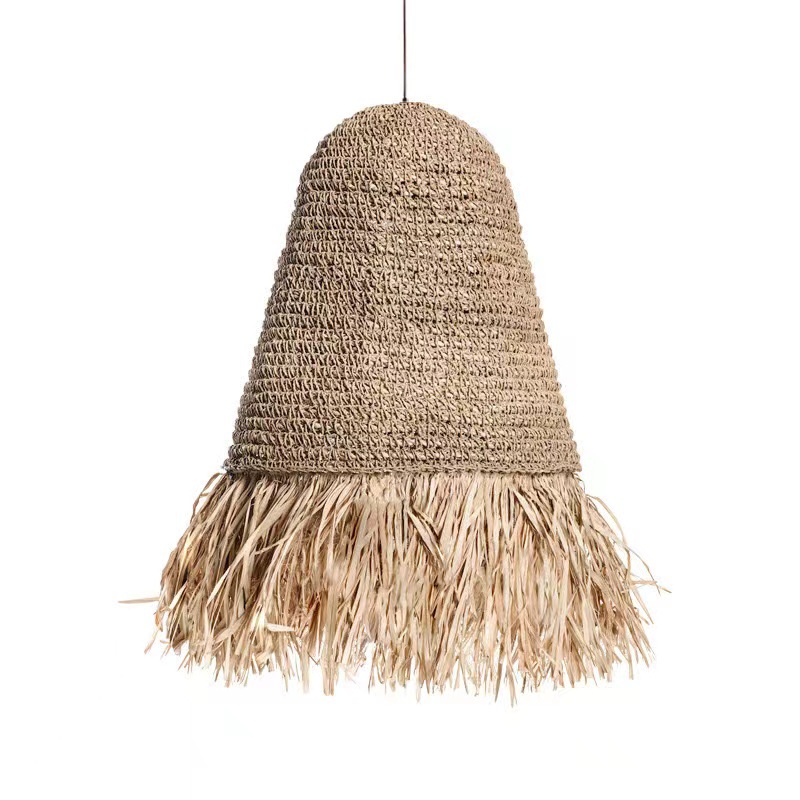
No matter if your space features a wicker lamp crafted from natural rattan or a handmade rattan lamp made with synthetic fibers, proper maintenance is the key to long-lasting beauty and performance. This article outlines the best practices for caring for both natural and synthetic rattan lighting, ensuring your bamboo rattan light remains stunning for years.
1. Cleaning Natural Rattan Lighting
For natural rattan products like a handcraft rattan light or natural bamboo lamp, dusting is essential. Use a soft cloth or brush to gently remove dust and debris from the weave. Avoid soaking the material; instead, lightly dampen your cloth if necessary. Excessive moisture can cause the rattan to swell or crack. For deep cleaning, use a vacuum with a brush attachment to reach inside woven spaces.
2. Cleaning Synthetic Rattan Lighting
Synthetic rattan, often used for indoor restaurant lamp projects or commercial settings, is much easier to clean. You can use water and mild soap for a thorough wipe-down. Since synthetic fibers are moisture-resistant, they’re well-suited to areas where regular cleaning is necessary—such as restaurants or hotels.
3. Protection from Sunlight and Humidity
Both types of rattan are sensitive to prolonged sunlight exposure. Place your customize bamboo lamp away from direct sunlight to prevent fading and brittleness. For natural rattan, maintain a stable indoor humidity level to prevent the material from drying out or becoming moldy. Synthetic rattan is more forgiving but still benefits from careful placement.
4. Preventing Damage
Handle all rattan lights, whether wicker rattan light or other styles, with care to avoid crushing or deforming the weave. For hanging fixtures, make sure they are installed securely and not exposed to excessive movement.



_lutHu5.png)

