The article compares the sustainability of natural and synthetic rattan for lighting, exploring their environmental impacts and offering practical guidance for making eco-friendly lighting decisions.
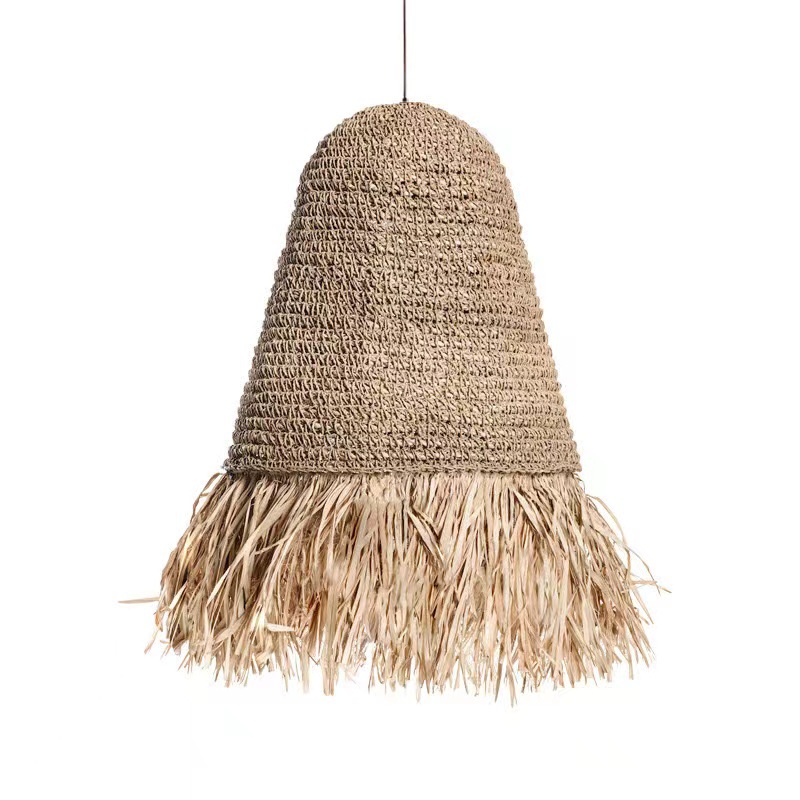
With increasing focus on sustainable design, rattan has become a favorite material for eco-conscious consumers choosing lighting options like the wicker lamp and handmade rattan lamp. But how do natural and synthetic rattan compare when it comes to environmental impact?
1. The Eco-Credentials of Natural Rattan
Natural rattan, used in many bamboo rattan light and handcraft rattan light products, is a renewable resource harvested from fast-growing climbing palms. Its low-impact farming and biodegradability make it one of the most eco-friendly choices for home décor. When a natural bamboo lamp reaches the end of its life, it returns to the earth with minimal environmental harm.
2. Synthetic Rattan: Durability Meets Recyclability
Synthetic rattan, while made from plastic resin, is highly durable and can be recycled in some manufacturing processes. Products like indoor restaurant lamp and customize bamboo lamp crafted with synthetic rattan tend to last longer, reducing the frequency of replacement and waste.
3. Energy and Resource Use in Production
Natural rattan requires less energy to process compared to synthetic rattan, which needs petroleum-based materials and chemical processing. However, synthetic rattan’s extended lifespan means fewer products may be needed over time—an important sustainability trade-off to consider.
4. Responsible Sourcing and Certifications
When purchasing any rattan lighting, check for certifications that guarantee sustainable and ethical sourcing practices. Whether you choose a wicker rattan light or a modern bamboo fixture, look for suppliers committed to environmental stewardship.


_lutHu5.png)

