The article breaks down the cost factors involved in choosing rattan lighting, providing practical advice for homeowners and commercial buyers alike.
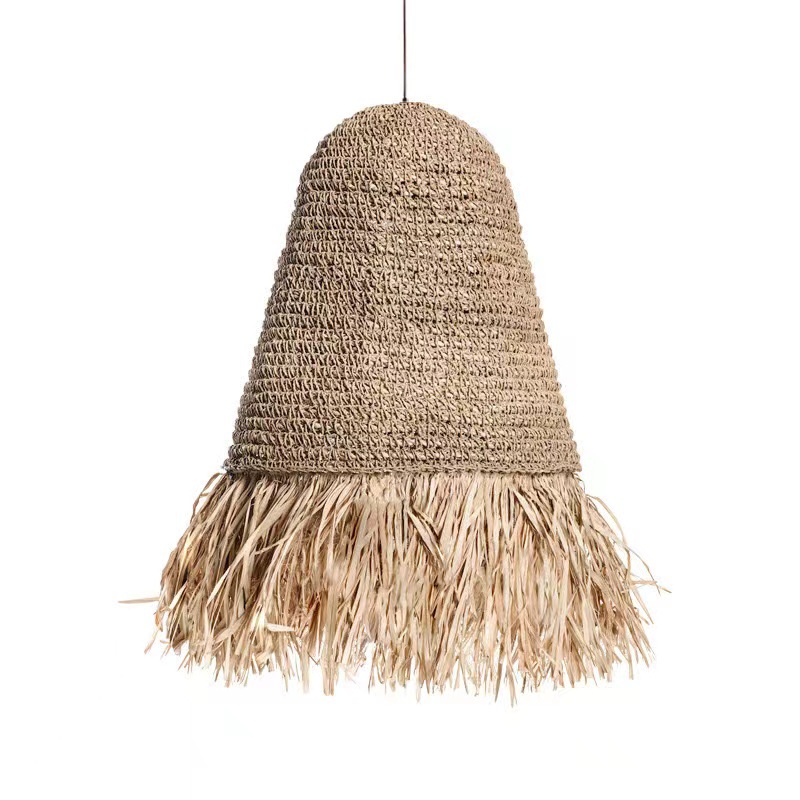
Price is an important factor when selecting new lighting for your home or business. Both natural and synthetic rattan options—like the wicker lamp and bamboo rattan light—offer unique benefits at different price points. Here’s a look at what influences the cost and value of these popular lighting materials.
1. Material and Manufacturing Costs
Natural rattan, often featured in handmade rattan lamps and handcraft rattan lights, involves labor-intensive harvesting and weaving. The uniqueness and craftsmanship lead to higher prices, especially for intricate designs or custom pieces such as a customize bamboo lamp.
Synthetic rattan, made from plastic resins, is typically mass-produced and requires less manual labor. This often makes synthetic options like indoor restaurant lamp and wicker rattan light more budget-friendly, particularly for large-scale commercial projects.
2. Durability and Maintenance Value
While natural rattan lamps may cost more upfront, their beauty and artisanal quality add value. Synthetic rattan’s lower price point is balanced by greater resistance to stains, water, and damage, reducing long-term maintenance expenses—an attractive benefit for venues with heavy use.
3. Customization and Sizing
Custom natural rattan products, such as a natural bamboo lamp made to order, will increase costs due to the additional labor. Synthetic rattan can more easily be molded into different shapes and sizes at lower cost.
4. Total Cost of Ownership
Consider the lifespan and upkeep requirements. Sometimes a more expensive natural rattan piece will pay off in longevity and distinctive design, while synthetic rattan delivers savings in larger quantities or high-turnover environments.


_lutHu5.png)

